


Doula
Doula de fin de vie
Bonjour, je suis Ariane , accompagnatrice en fin de vie. Je suis là pour vous guider avec compassion à travers cette période si particulière. J'aide à concilier les aspects médicaux et juridiques avec les besoins émotionnels, pratiques et existentiels profonds des personnes et des familles. Mon rôle est de vous aider à mieux comprendre vos options, à prendre des décisions éclairées et à faire en sorte que vos souhaits soient compris et respectés.
Formée au Douglas College en Colombie-Britannique et auprès de l'International End of Life Doula Association en Californie, mon approche repose sur la bienveillance et l'expertise. Je soutiens les personnes et leurs proches tout en renforçant leur capacité d'agir face aux décisions et aux défis de la fin de vie.
Une doula de fin de vie ne remplace pas les médecins, les infirmières, les travailleurs sociaux ni les professionnels du droit. Elle complète plutôt les soins existants en offrant un soutien émotionnel, des conseils pratiques, des informations et une continuité tout au long du parcours de fin de vie.


Conférences et ateliers
-
Animation interactive pour ouvrir un dialogue inclusif sur la fin de vie, la mort et le deuil.
-
Un contenu rigoureux, fondé sur la recherche et adapté aux réalités du Québec.
-
Des espaces sûrs qui favorisent la réflexion et le dialogue.

Planification
-
Clarification des souhaits de fin de vie et soutien à la réflexion personnelle.
-
Aide pour entamer des conversations essentielles avec les proches et les professionnels de la santé.
-
Explication des outils existants (mandat de protection, directives médicales anticipées, niveaux de soins), sans fournir de conseils juridiques ou médicaux.

Navigation des soins
-
Aide à la compréhension du système de santé et des ressources disponibles.
-
Aide à la préparation des rendez-vous médicaux et à la structuration des questions importantes.
-
Faciliter la communication entre la personne, ses proches et les équipes soignantes.

Soins palliatifs
-
Présence auprès du malade et de ses proches.
-
Un soutien émotionnel pour traverser la maladie avec plus de sérénité et de lucidité.
-
Un soutien complémentaire à l'équipe médicale, axé sur l'écoute.
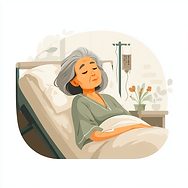
Fin de vie
-
Présence continue ou occasionnelle à mesure que la fin approche.
-
Création de moments, de rituels ou d'espaces significatifs pour la transmission.
-
Soutien dans les décisions complexes, y compris l'aide médicale à mourir.

Après la mort
-
Présence auprès des êtres chers dans les heures et les jours qui suivent le décès.
-
Apporter un soutien dans les premières démarches et les actes de commémoration.
-
Conseils pour entamer le processus de deuil et orientation vers des professionnels si nécessaire.
Réservez une réunion en ligne !


1 h
100 dollars canadiens
1 h 30 min
130 dollars canadiens
Étude de cas
Aider une famille à prendre des décisions complexes en fin de vie
Client
Client
Une famille qui soutient un proche ayant perdu sa capacité de décision en fin de vie (cas réel anonymisé)
Le défi
Suite à une hospitalisation, une famille s'est retrouvée soudainement confrontée à des décisions médicales cruciales concernant un proche devenu incapable d'exprimer ses souhaits. Pendant des années, cette personne avait affirmé à sa famille avoir « demandé l'aide médicale à mourir par l'intermédiaire de son notaire ». Au fil des événements, il est apparu clairement qu'elle avait probablement rédigé des directives anticipées, et non une demande d'aide médicale à mourir. Ce malentendu, conjugué à une connaissance limitée du système de santé et des objectifs de soins, a plongé la famille dans un profond désarroi et une grande incertitude quant à la manière de respecter les volontés de leur proche.
Notre rôle
Nous avons aidé la famille à acquérir les connaissances, la confiance et les capacités nécessaires pour participer activement à la prise de décision en matière de soins de santé:
Notre contribution
-
clarifier les différents outils de planification anticipée des soins (directives médicales anticipées, objectifs de soins, mandats de protection, aide médicale à mourir, etc.) ;
-
explorer les valeurs, les souhaits et les préférences précédemment exprimées de la personne ;
-
préparer la famille aux conversations avec les professionnels de la santé ;
-
assurer un soutien continu à la décision au fur et à mesure de l'évolution de l'état de santé de la personne.
Approche Qulysis
.png)
Comprendre
Explorez l'histoire de vie de la personne, ses valeurs, ses souhaits exprimés antérieurement et la compréhension de la situation par la famille afin de distinguer les décisions documentées des suppositions ou des malentendus.
.png)
Mobiliser
Soutenir une communication ouverte au sein de la famille et favoriser un dialogue constructif avec
professionnels de la santé.

Concevoir
Élaborez un plan d'aide à la décision personnalisé en identifiant les priorités et les ressources disponibles.
ressources et questions clés pour les décisions à venir.

Mettre en œuvre
Élaborez un plan d'aide à la décision personnalisé en identifiant les priorités et les ressources disponibles.
ressources et questions clés pour les décisions à venir.

Évaluer
Réévaluez en permanence les besoins évolutifs de la famille en matière d'information, de soutien émotionnel et de conseils en matière de prise de décision, en fonction de l'évolution de la situation.

Soutenir
Donnez à la famille les connaissances et la confiance nécessaires pour continuer à naviguer dans le système de santé tout en assurant un soutien continu jusqu'à la fin de vie.

Impact
En clarifiant les directives anticipées de la personne et en renforçant la compréhension par la famille des objectifs de soins et des options de traitement, la famille a pu participer en toute confiance aux discussions avec l'équipe soignante et prendre des décisions plus conformes aux valeurs et aux souhaits exprimés antérieurement par leur proche.